


Keystone plant species are plants that quite literally help hold our natural world together through the powerful effects they have on other plants and animals. All keystone species are native, but not every native plant is a keystone.
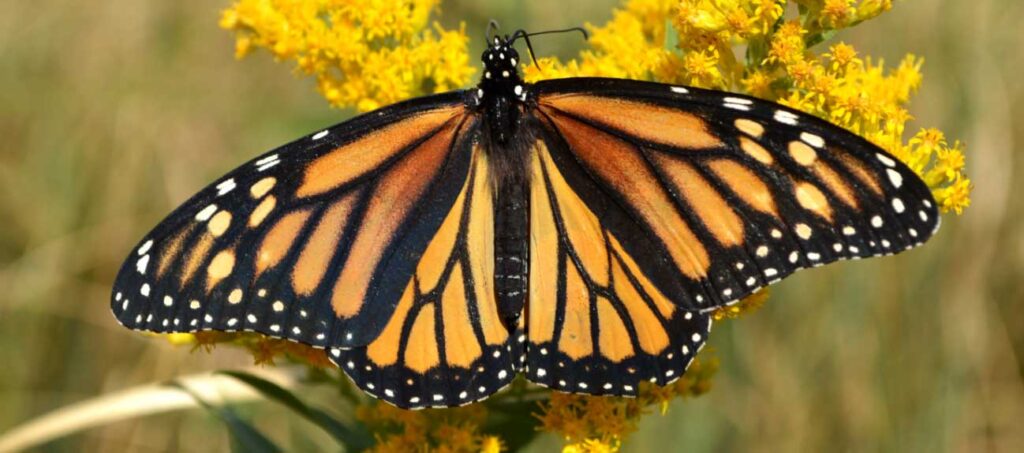
In North America, goldenrods are among the top 30 keystone host plants for Lepidoptera, supporting more than 100 species that eventually become moths and butterflies. Caterpillars are also an essential protein source for many birds and their young. In addition, native goldenrod supports over 40 species of bees. This is just one example of how a single plant can play a critical role—not only in our gardens, but in supporting entire ecosystems.
There are also many examples of animals as keystone species. Understanding their role helps us see how they maintain healthy populations of prey and plant life, and how our actions can directly impact the balance of nature.
A simple but fascinating example involves sea otters. Otters are considered a keystone species because they eat sea urchins, which feed on kelp forests. By keeping urchin populations in check, otters help maintain kelp forests that provide habitat, food, and protection for many marine species. This relationship is known as a “trophic cascade.” Without these important keystone species, kelp forests can decline dramatically, leading to a ripple effect throughout the ecosystem.
Examples of keystone plants on the East Coast of the United States include oaks (Quercus), willows (Salix), cherries (Prunus), birches (Betula), goldenrods (Solidago), and asters (Symphyotrichum). These plants all support a high diversity of life.
Can you spot the keystone connections in your own garden?



Plant Something MA is a project of MNLA which includes professional environmental horticulturists—people who grow, care for, design and install plantings and landscapes in your community.
Growing Wild helps reverse the loss of biological diversity, foster and protect endangered species and add to the natural beauty of our Commonwealth—right in your own backyard.

MNLA provides access to green industry speakers on the cutting-edge and up-to-date information. Our dynamic community is made up of folks from all walks of life. Colleagues share advice and insights. Passion for the betterment of our community drives member participation in MNLA. Individual contribution is valued. Get involved! Join a committee or volunteer at an event. Make our industry—and your business—better!




Copyright © 2026 Massachusetts Nursery and Landscape Association. All rights reserved. Privacy Policy
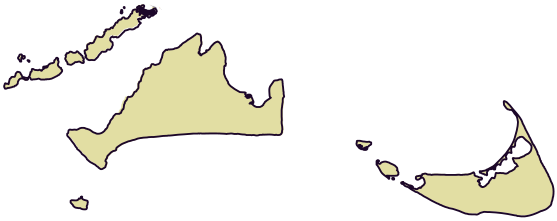
Nantucket (1)
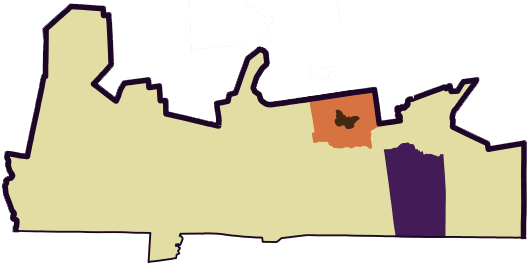
Agawam (2)
Blandford (2)
Bondsville (1)
Brimfield (3)
Chicopee (10)
East Longmeadow (1)
Feeding Hills (1)
Granville (1)
Hampden (4)
Holland (1)
Holyoke (11)
Longmeadow (3)
Ludlow (4)
Monson (3)
Springfield (8)
West Springfield (2)
Westfield (10)
Wilbraham (1)
Nursery Partners
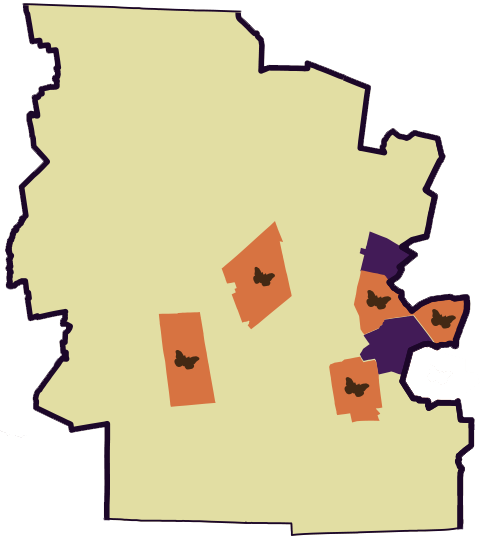
Ashburnham (3)
Athol (3)
Auburn (3)
Barre (2)
Berlin (1)
Blackstone (1)
Brookfield (2)
Charlton (1)
Clinton (2)
Douglas (1)
East Brookfield (1)
Fitchburg (7)
Dudley (1)
Gardner (3)
Grafton (4)
Hardwick (1)
Harvard (2)
Holden (8)
Hopedale (2)
Hubbardston (3)
Lancaster (1)
Leicester (1)
Leominster (7)
Lunenburg (4)
Milford (4)
Millbury (5)
Millville (1)
North Brookfield (1)
Northborough (4)
North Grafton (1)
Northbridge (1)
Oakham (2)
Oxford (3)
Princeton (1)
Rutland (3)
Shrewsbury (1)
South Grafton (1)
Southborough (3)
Southbridge (2)
Spencer (2)
Sturbridge (1)
Sutton (2)
Templeton (1)
Upton (2)
West Boylston (1)
West Brookfield (2)
Sterling (1)
Uxbridge (2)
Westminster (2)
Whitinsville (1)
Winchendon (2)
Worcester (27)
Nursery Partners
Brook Bound Nursery LLC — Westminster
Gulbankian Farm — Southborough
Lakeview Nurseries — Lunenburg
Perreault Nurseries — North Grafton
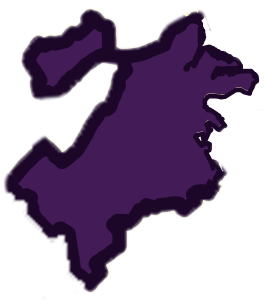
Allston (1)
Boston (16)
Chelsea (2)
Dorchester Center (1)
Revere (2)
Roxbury (1)
West Roxbury (2)
Winthrop (1)
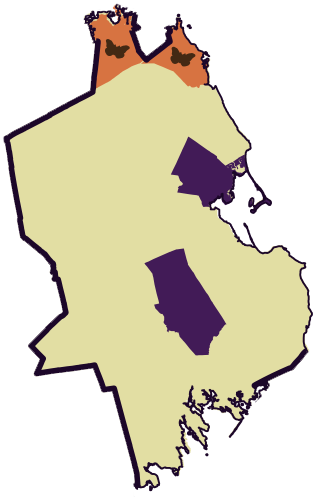
Abington (2)
Brockton (3)
Carver (1)
Duxbury (6)
East Bridgewater (2)
Halifax (1)
Hanover (1)
Hanson (2)
Hingham (6)
Hull (3)
Kingston (1)
Lakeville (5)
Marion (1)
Marshfield Hills (3)
Marshfield (10)
Mattapoisett (1)
Middleborough (2)
Norwell (1)
Plymouth (7)
Rockland (2)
Scituate (24)
Wareham (3)
West Wareham (2)
Whitman (1)
Nursery Partners
Kennedy Country Gardens — Scituate
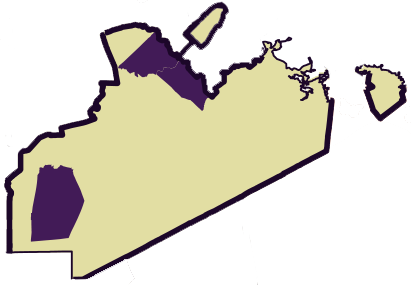
Bellingham (1)
Braintree (3)
Brookline (9)
Canton (5)
Cohasset (1)
Dedham (2)
Franklin (2)
Foxboro (1)
Medfield (1)
Medway (2)
Millis (5)
Milton (1)
Needham (3)
Needham Heights (1)
Quincy (8)
Sharon (2)
Stoughton (1)
Walpole (4)
Westwood (2)
Wellesley (1)
Weymouth (5)
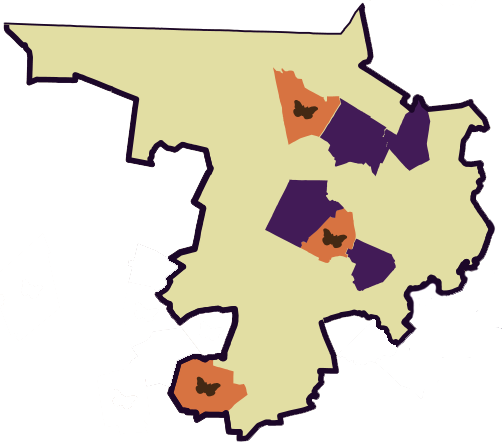
Acton (5)
Arlington Heights (5)
Arlington (13)
Ashland (12)
Ayer (3)
Bedford (5)
Belmont (7)
Billerica (5)
Boxborough (1)
Burlington (1)
Cambridge (2)
Chelmsford (12)
Concord (3)
Dracut (4)
Dunstable (2)
Everett (1)
Framingham (5)
Groton
Holliston (6)
Hopkinton (4)
Hudson (4)
Lexington (6)
Littleton (3)
Lowell (15)
Malden (8)
Marlborough (9)
Maynard (2)
Medford (13)
Melrose (4)
Natick (5)
Newton Center (2)
North Chelmsford (1)
North Reading (1)
Pepperell (7)
Reading (2)
Sherborn (1)
Shirley (2)
Somerville (3)
Stoneham (3)
Stow (3)
Sudbury (1)
Tewksbury (9)
Townsend (3)
Tyngsboro (3)
Wakefield (7)
Waltham (4)
Watertown (3)
Wayland
Westford (10)
Weston (1)
Wilmington (6)
Winchester (3)
Woburn (10)
Nursery Partners
Mahoney’s Garden Center — Winchester
Mahoney’s Garden Center — Chelmsford
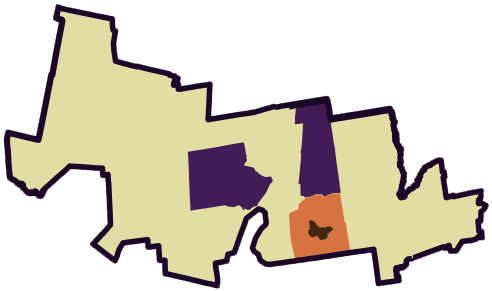
Amherst (4)
Belchertown (5)
Easthampton (5)
Granby (3)
Hadley (1)
Hatfield (1)
Northampton (1)
South Hadley (4)
Southampton (1)
Ware (4)
West Hatfield (1)
Nursery Partners
Dave’s Natural Garden — Granby
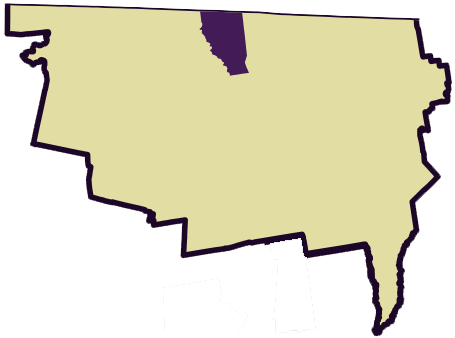
Ashfield (2)
Deerfield (2)
Franklin (2)
Greenfield (3)
Leverett (1)
Montague (1)
New Salem (1)
Northfield (1)
Orange (1)
Shutesbury (1)
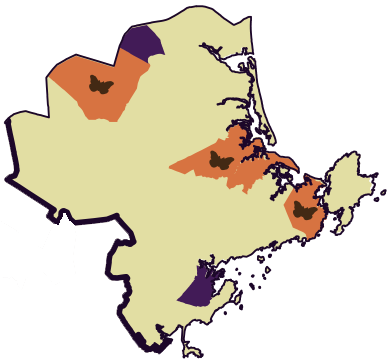
Amesbury (6)
Andover (7)
Beverly (10)
Boxford (1)
Danvers (6)
Essex (5)
Gloucester (8)
Groveland (2)
Hamilton (1)
Haverhill (9)
Ipswich (5)
Lawrence (1)
Lynn (2)
Manchester (1)
Methuen (6)
Newbury (3)
Newburyport (3)
North Andover (2)
Peabody (3)
Rockport (3)
Salem (9)
Salisbury (1)
Saugus (2)
Swampscott (1)
Nursery Partners
Rogers Spring Hill Garden & Farm Center — Haverhill
Wolf Hill Gardens — Gloucester
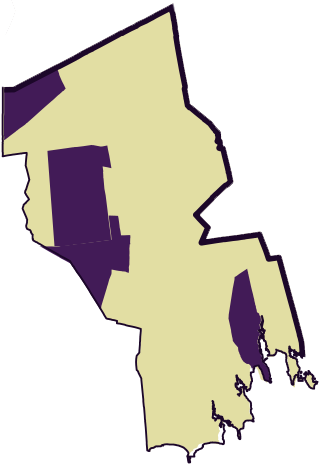
Acushnet (1)
Assonet (2)
Attleboro (4)
Berkley (1)
Dartmouth (1)
Easton (2)
Fairhaven (2)
Fall River (1)
Mansfield (2)
New Bedford (2)
Norton (4)
Raynham Center (1)
Rehoboth (4)
Seekonk (2)
Somerset (3)
Swansea (3)
Westport (3)
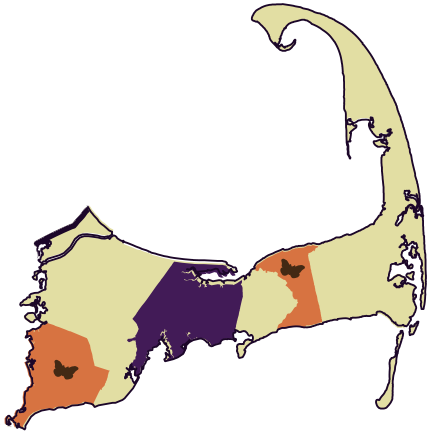
Barnstable (2)
Brewster (1)
Centerville (1)
Cotuit (1)
Dennis (1)
East Falmouth (5)
Eastham (2)
Falmouth (4)
Harwich Port (1)
Harwich (2)
Hyannis (1)
Marstons Mills (1)
Mashpee (1)
Monument Beach (1)
Provincetown (1)
Sagamore Beach (1)
Sandwich (1)
West Barnstable (1)
Yarmouth Port (2)
Nursery Partners
Hart Farm Nursery — Dennis Port
Mahoney’s Garden Center — Falmouth
Adams (3)
Becket (1)
Berkshire
Dalton (2)
Drury (1)
Hinsdale (2)
North Adams (5)
Pittsfield (6)
Sandisfield (2)
South Egremont (1)
Stockbridge (2)
Williamstown (1)
Nursery Partners
Ward’s Nursery & Garden Center — Great Barrington