


USDA’s Animal and Plant Health Inspection Service (APHIS) has announced the deregulation of chrysanthemum white rust (CWR), a significant step forward for U.S. growers, breeders, and suppliers. The decision marks a major milestone in multiyear advocacy efforts of AmericanHort. The action removes CWR’s designation as a federal quarantine pest and establishes new opportunities to import chrysanthemum propagation material under a systems approach. The changes take effect on November 9, 2026.
Federal CWR restrictions have created significant business challenges for decades. Detections could trigger shipment holds, quarantine actions, and destruction requirements, while import restrictions limited access to unrooted cuttings and trial material. APHIS has now concluded that CWR is established in the U.S. and that the eradication-based approach is no longer technically or economically justified. Growers can manage the disease using available fungicides and established production practices.
For U.S. producers, this change means relief from the federal CWR quarantine framework and greater flexibility to manage the disease within their operations. It also creates a pathway to import chrysanthemum cuttings and tissue-culture plantlets from 20 countries, including major offshore production partners. A separate protocol covers eligible material from Canada. These pathways can broaden sourcing options, improve access to new genetics, and support breeding, trialing, and production planning. APHIS is also removing CWR-specific restrictions on imported fresh cut flowers.
AmericanHort submitted technical comments in 2023 and 2025 supporting deregulation and a science-based systems approach to protect plant health while providing practical options for the industry. Following the 2025 comment period, AmericanHort raised the issue directly with USDA’s Under Secretary for Marketing and Regulatory Programs, urging the Department to finalize deregulation.
We sincerely thank APHIS’s Plant Protection and Quarantine policy staff and USDA leadership for the extensive analysis, sustained effort, and persistence required to bring this process to completion. This was a complex undertaking, and we appreciate the agency’s willingness to engage with industry, consider growers’ experiences, and modernize requirements while protecting plant health.
We also thank the industry partners who contributed their time, technical expertise, and production experience throughout this effort. Their involvement helped explain the practical challenges facing businesses and inform a workable path forward. This outcome reflects years of collaboration and demonstrates the value of a strong partnership between industry and USDA.
AmericanHort will continue working with APHIS and industry partners on the plans needed to implement the new import pathways and help members take advantage of these opportunities.
AmericanHort Members can review APHIS’s action and supporting documents at Regulations.gov by searching docket APHIS-2021-0081 for chrysanthemum plants for planting and APHIS-2019-0024 for fresh cut flowers.



Plant Something MA is a project of MNLA which includes professional environmental horticulturists—people who grow, care for, design and install plantings and landscapes in your community.
Growing Wild helps reverse the loss of biological diversity, foster and protect endangered species and add to the natural beauty of our Commonwealth—right in your own backyard.

MNLA provides access to green industry speakers on the cutting-edge and up-to-date information. Our dynamic community is made up of folks from all walks of life. Colleagues share advice and insights. Passion for the betterment of our community drives member participation in MNLA. Individual contribution is valued. Get involved! Join a committee or volunteer at an event. Make our industry—and your business—better!




Copyright © 2026 Massachusetts Nursery and Landscape Association. All rights reserved. Privacy Policy
Nantucket (1)
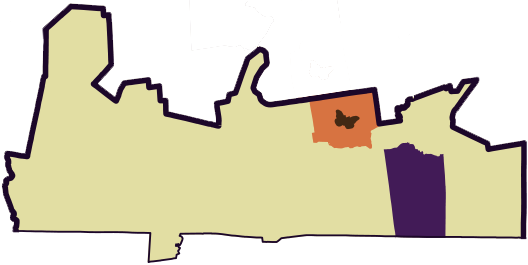
Agawam (2)
Blandford (2)
Bondsville (1)
Brimfield (3)
Chicopee (10)
East Longmeadow (1)
Feeding Hills (1)
Granville (1)
Hampden (4)
Holland (1)
Holyoke (11)
Longmeadow (3)
Ludlow (4)
Monson (3)
Springfield (8)
West Springfield (2)
Westfield (10)
Wilbraham (1)
Nursery Partners
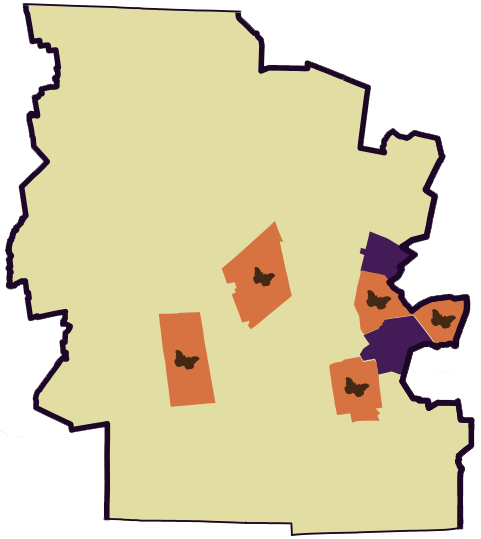
Ashburnham (3)
Athol (3)
Auburn (3)
Barre (2)
Berlin (1)
Blackstone (1)
Brookfield (2)
Charlton (1)
Clinton (2)
Douglas (1)
East Brookfield (1)
Fitchburg (7)
Dudley (1)
Gardner (3)
Grafton (4)
Hardwick (1)
Harvard (2)
Holden (8)
Hopedale (2)
Hubbardston (3)
Lancaster (1)
Leicester (1)
Leominster (7)
Lunenburg (4)
Milford (4)
Millbury (5)
Millville (1)
North Brookfield (1)
Northborough (4)
North Grafton (1)
Northbridge (1)
Oakham (2)
Oxford (3)
Princeton (1)
Rutland (3)
Shrewsbury (1)
South Grafton (1)
Southborough (3)
Southbridge (2)
Spencer (2)
Sturbridge (1)
Sutton (2)
Templeton (1)
Upton (2)
West Boylston (1)
West Brookfield (2)
Sterling (1)
Uxbridge (2)
Westminster (2)
Whitinsville (1)
Winchendon (2)
Worcester (27)
Nursery Partners
Brook Bound Nursery LLC — Westminster
Gulbankian Farm — Southborough
Lakeview Nurseries — Lunenburg
Perreault Nurseries — North Grafton
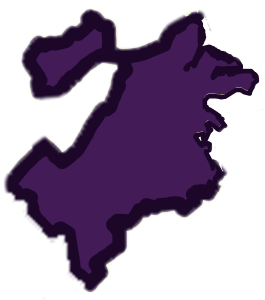
Allston (1)
Boston (16)
Chelsea (2)
Dorchester Center (1)
Revere (2)
Roxbury (1)
West Roxbury (2)
Winthrop (1)
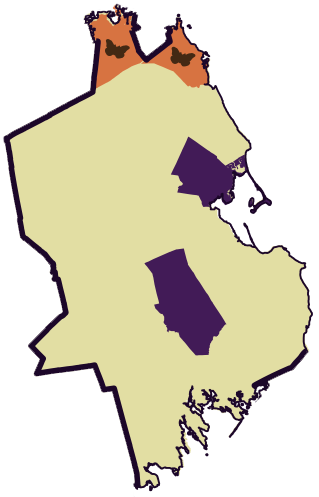
Abington (2)
Brockton (3)
Carver (1)
Duxbury (6)
East Bridgewater (2)
Halifax (1)
Hanover (1)
Hanson (2)
Hingham (6)
Hull (3)
Kingston (1)
Lakeville (5)
Marion (1)
Marshfield Hills (3)
Marshfield (10)
Mattapoisett (1)
Middleborough (2)
Norwell (1)
Plymouth (7)
Rockland (2)
Scituate (24)
Wareham (3)
West Wareham (2)
Whitman (1)
Nursery Partners
Kennedy Country Gardens — Scituate
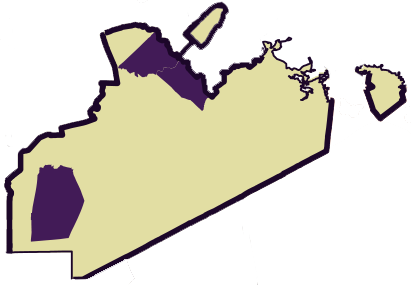
Bellingham (1)
Braintree (3)
Brookline (9)
Canton (5)
Cohasset (1)
Dedham (2)
Franklin (2)
Foxboro (1)
Medfield (1)
Medway (2)
Millis (5)
Milton (1)
Needham (3)
Needham Heights (1)
Quincy (8)
Sharon (2)
Stoughton (1)
Walpole (4)
Westwood (2)
Wellesley (1)
Weymouth (5)
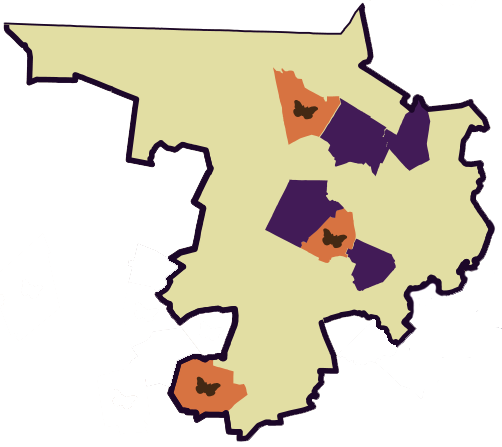
Acton (5)
Arlington Heights (5)
Arlington (13)
Ashland (12)
Ayer (3)
Bedford (5)
Belmont (7)
Billerica (5)
Boxborough (1)
Burlington (1)
Cambridge (2)
Chelmsford (12)
Concord (3)
Dracut (4)
Dunstable (2)
Everett (1)
Framingham (5)
Groton
Holliston (6)
Hopkinton (4)
Hudson (4)
Lexington (6)
Littleton (3)
Lowell (15)
Malden (8)
Marlborough (9)
Maynard (2)
Medford (13)
Melrose (4)
Natick (5)
Newton Center (2)
North Chelmsford (1)
North Reading (1)
Pepperell (7)
Reading (2)
Sherborn (1)
Shirley (2)
Somerville (3)
Stoneham (3)
Stow (3)
Sudbury (1)
Tewksbury (9)
Townsend (3)
Tyngsboro (3)
Wakefield (7)
Waltham (4)
Watertown (3)
Wayland
Westford (10)
Weston (1)
Wilmington (6)
Winchester (3)
Woburn (10)
Nursery Partners
Mahoney’s Garden Center — Winchester
Mahoney’s Garden Center — Chelmsford
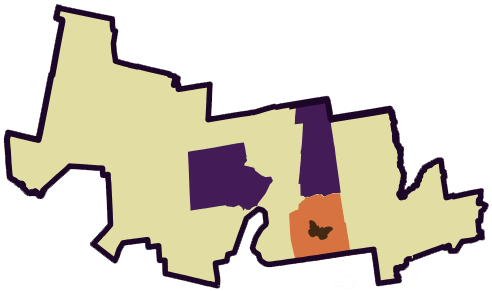
Amherst (4)
Belchertown (5)
Easthampton (5)
Granby (3)
Hadley (1)
Hatfield (1)
Northampton (1)
South Hadley (4)
Southampton (1)
Ware (4)
West Hatfield (1)
Nursery Partners
Dave’s Natural Garden — Granby
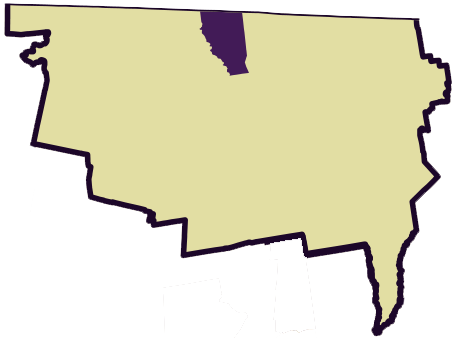
Ashfield (2)
Deerfield (2)
Franklin (2)
Greenfield (3)
Leverett (1)
Montague (1)
New Salem (1)
Northfield (1)
Orange (1)
Shutesbury (1)
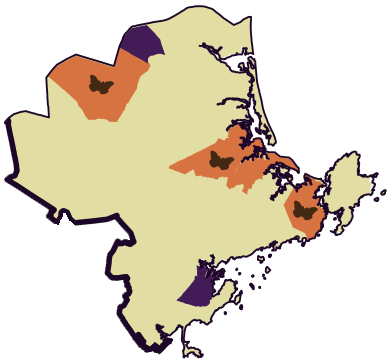
Amesbury (6)
Andover (7)
Beverly (10)
Boxford (1)
Danvers (6)
Essex (5)
Gloucester (8)
Groveland (2)
Hamilton (1)
Haverhill (9)
Ipswich (5)
Lawrence (1)
Lynn (2)
Manchester (1)
Methuen (6)
Newbury (3)
Newburyport (3)
North Andover (2)
Peabody (3)
Rockport (3)
Salem (9)
Salisbury (1)
Saugus (2)
Swampscott (1)
Nursery Partners
Rogers Spring Hill Garden & Farm Center — Haverhill
Wolf Hill Gardens — Gloucester
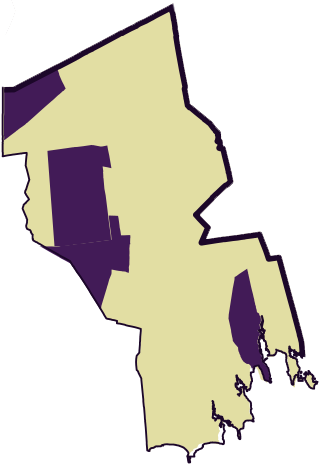
Acushnet (1)
Assonet (2)
Attleboro (4)
Berkley (1)
Dartmouth (1)
Easton (2)
Fairhaven (2)
Fall River (1)
Mansfield (2)
New Bedford (2)
Norton (4)
Raynham Center (1)
Rehoboth (4)
Seekonk (2)
Somerset (3)
Swansea (3)
Westport (3)
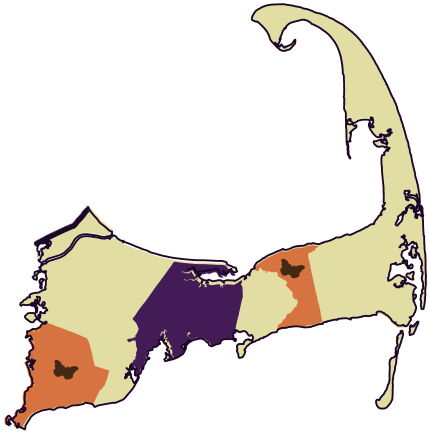
Barnstable (2)
Brewster (1)
Centerville (1)
Cotuit (1)
Dennis (1)
East Falmouth (5)
Eastham (2)
Falmouth (4)
Harwich Port (1)
Harwich (2)
Hyannis (1)
Marstons Mills (1)
Mashpee (1)
Monument Beach (1)
Provincetown (1)
Sagamore Beach (1)
Sandwich (1)
West Barnstable (1)
Yarmouth Port (2)
Nursery Partners
Hart Farm Nursery — Dennis Port
Mahoney’s Garden Center — Falmouth
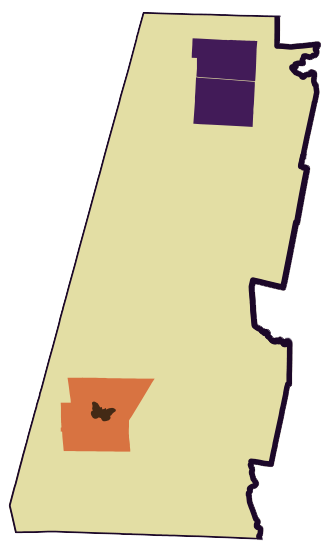
Adams (3)
Becket (1)
Berkshire
Dalton (2)
Drury (1)
Hinsdale (2)
North Adams (5)
Pittsfield (6)
Sandisfield (2)
South Egremont (1)
Stockbridge (2)
Williamstown (1)
Nursery Partners
Ward’s Nursery & Garden Center — Great Barrington